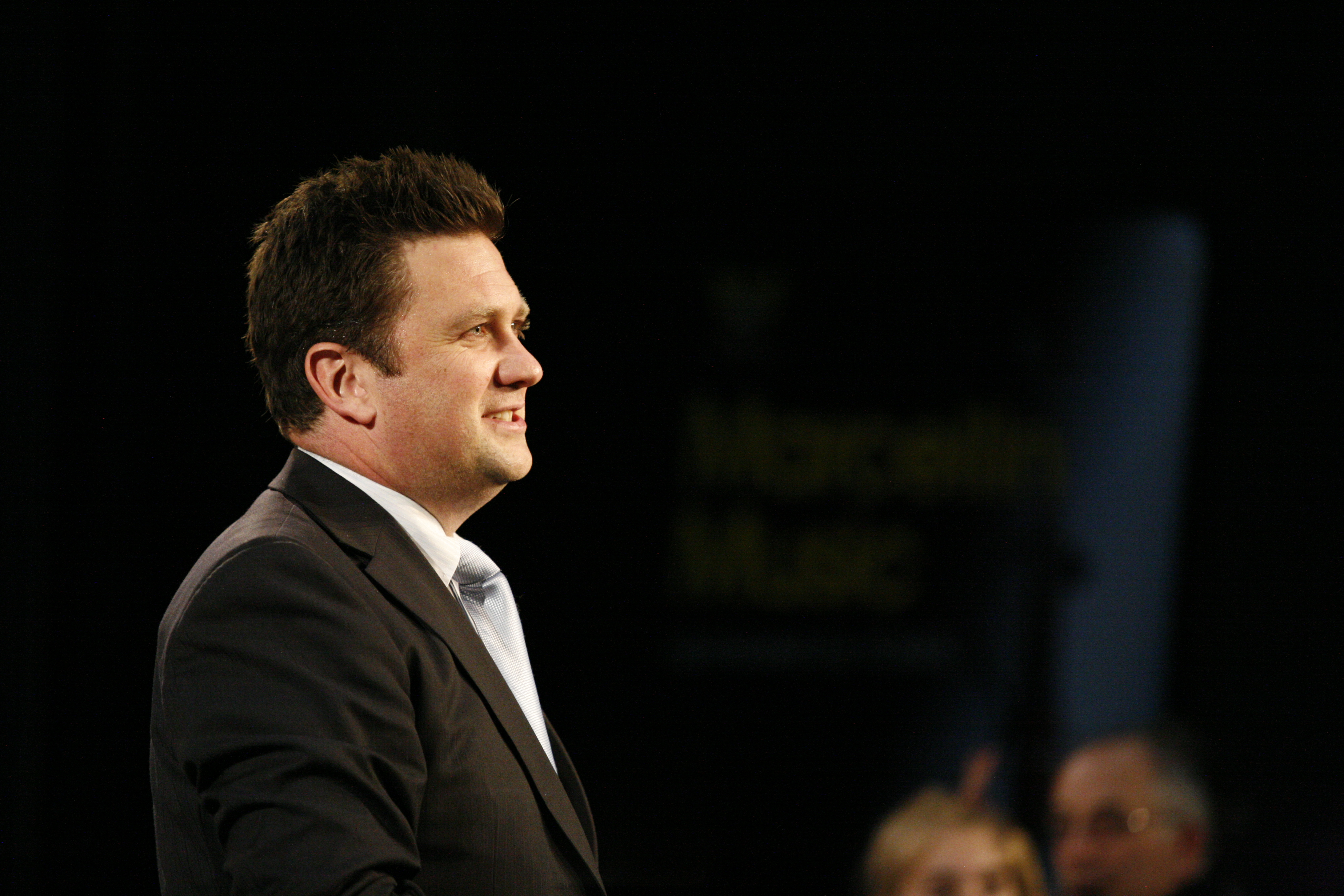
As a leader, I am committed to the challenge of mission driven, internationally minded schools to be bold and share generously the power of education to change our world. To achieve this I focus on three principles:
Creativity and Flexibility: From Ideation to Operation
Perhaps born of my love of jazz improvisation, I tend to thrive in environments where listening is a priority before we weave a motif and theme that we can riff on together as a team. I invest time to ideate and contemplate diverse perspectives rather than rushing to conclusions. As a creative thinker, I enjoy problem solving and strive to find the best solution, even if it is not always the simplest or most immediate. Although I am comfortable with ambiguity, I have never subscribed to the stereotype that with creativity comes disorganisation. One of my strengths as a leader is to employ a systems thinking framework to move from ideation to operation. I believe logistics form part of a complex, integrated whole in which form should follow function. For me, the COVID-19 pandemic has further demonstrated the value of taking a creative, flexible approach where change is normalised and viewed as continued opportunity for growth and improvement.
Robust Relationships and Candid Conversations:
The knowledge of how powerful a great conversation can be to one’s growth is something I carry with me daily. A key characteristic of my leadership style is the establishment of coaching relationships based on connection, open dialogue and trust. The trust that comes from really knowing people is pivotal to establishing and achieving common goals, and to building the deep sense of community that I value both personally and professionally. I do not shy away from difficult conversations. Instead, I focus on listening and questioning to actively navigate cognitive conflict. I am so grateful for the opportunities I have had to work with some inspirational coaches to support my growth in this area.
Personalised, Powerful, Impactful Learning
My career has afforded me the opportunity to engage deeply in curriculum and pedagogy innovations. As a student, I did not always find school engaging and my path through further study was not direct. I needed to know the ‘why’, and I needed to see the links between learning and life. This drive to find connection remains with me today, and is the reason I pursued a career in education. In a high school context, academic results and university pathways are often the focus. I need more, and I believe strongly that mission-driven schools are obliged to do more. Leveraging the power of essential content knowledge with conceptual understanding to effect transfer is a key goal for me as an educator. As a leader of learning, I seek to design personalised pathways where students have input into pace, content and pedagogy. I am firm in my belief of the power this agency provides in maximising academic learning, and building a sense of purpose to apply this learning to make a difference in the world.
Philosophy of Education
For me, education is both an opportunity and a responsibility. Education must support and challenge students to navigate the demands of today, but also develop in them the capacity and drive to build an even better tomorrow. Education shapes not only competencies, but values. In a world that is ever changing, education must be holistic, flexible and creative. Therefore, the placing of a student’s learning in powerful contexts allows them to understand why they should learn how to play a dorian mode, solve a quadratic equation, or recycle their mobile phone. The best education will challenge individuals to be not only successful learners, but also the best of people. My role as an educator is to provide opportunities for students to live their learning, to ask the courageous question, to challenge the status quo and to positively impact their world.
My professional leadership experience to date has helped to hone this philosophy of education. I am fortunate to have worked in both curricular and pastoral care roles in key schools, including:
HS Curriculum Coach & DP Coordinator – Western Academy of Beijing
CAS Coordinator and Learning Area Leader: The Arts – Beijing BISS International School
Head of House – Marcellin College, Melbourne, Australia
Head of Performing Arts – St Paul’s Anglican Grammar School, Warragul, Australia
Further details of my professional experience can be found here
The PTC
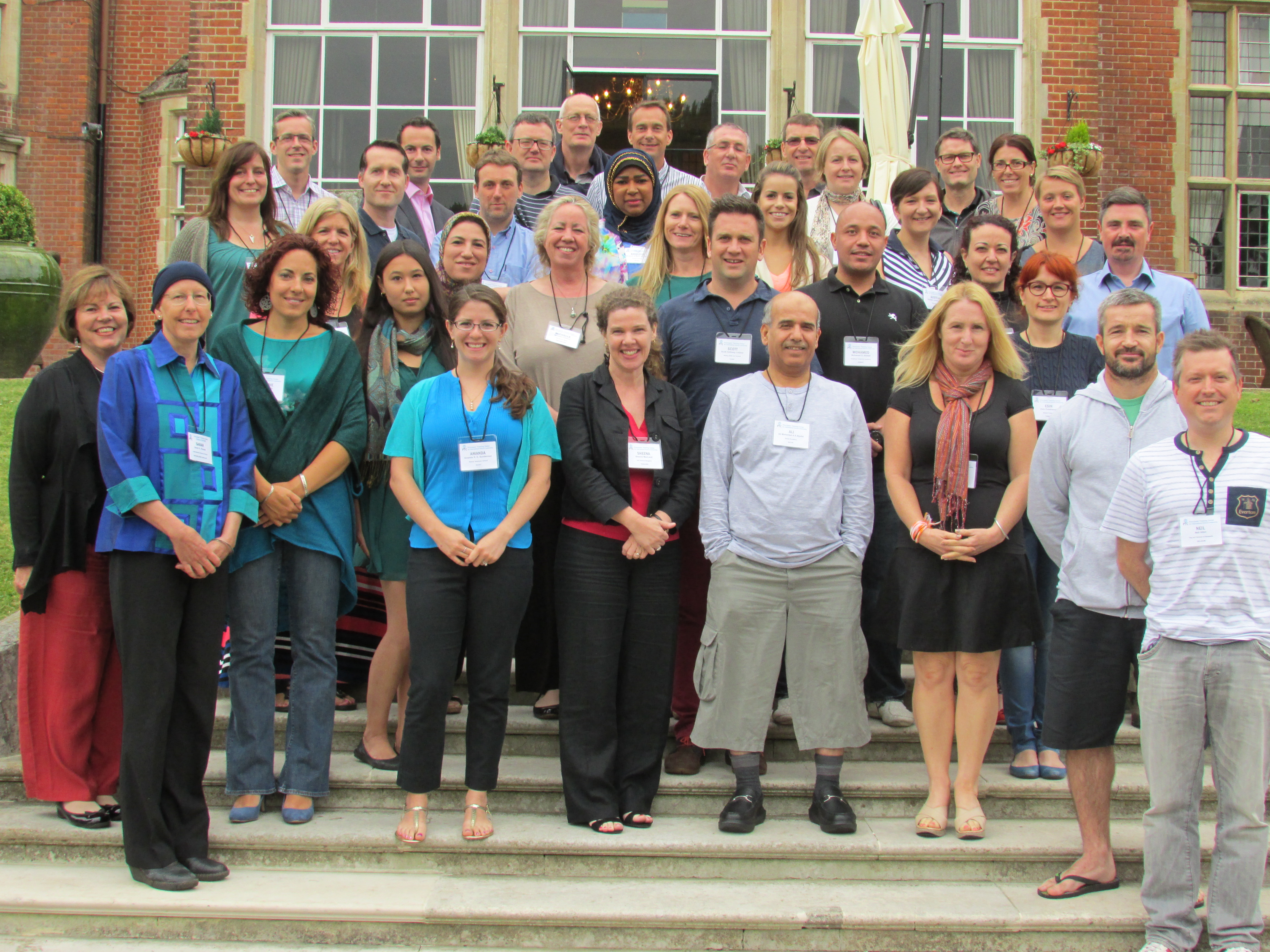
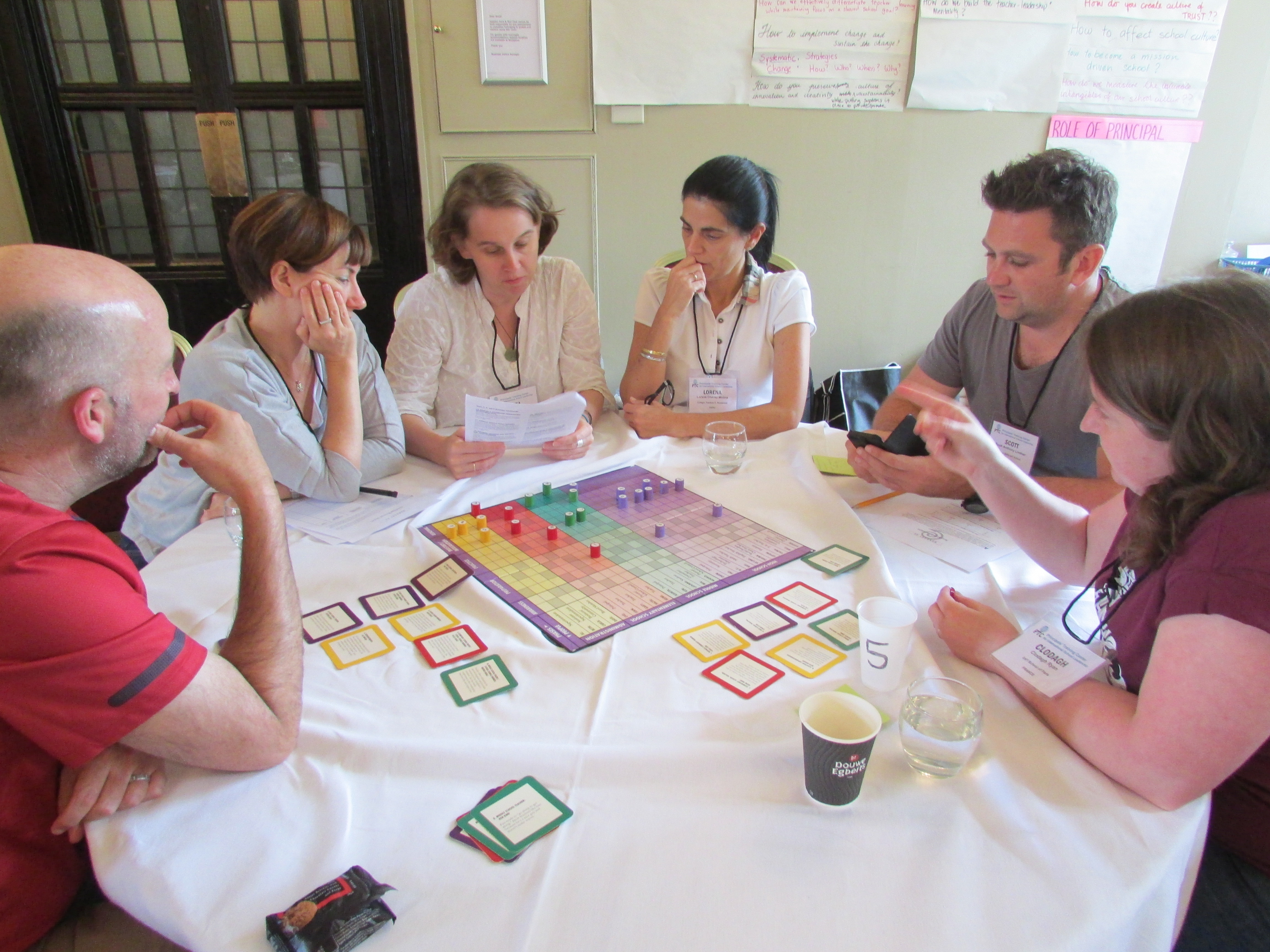
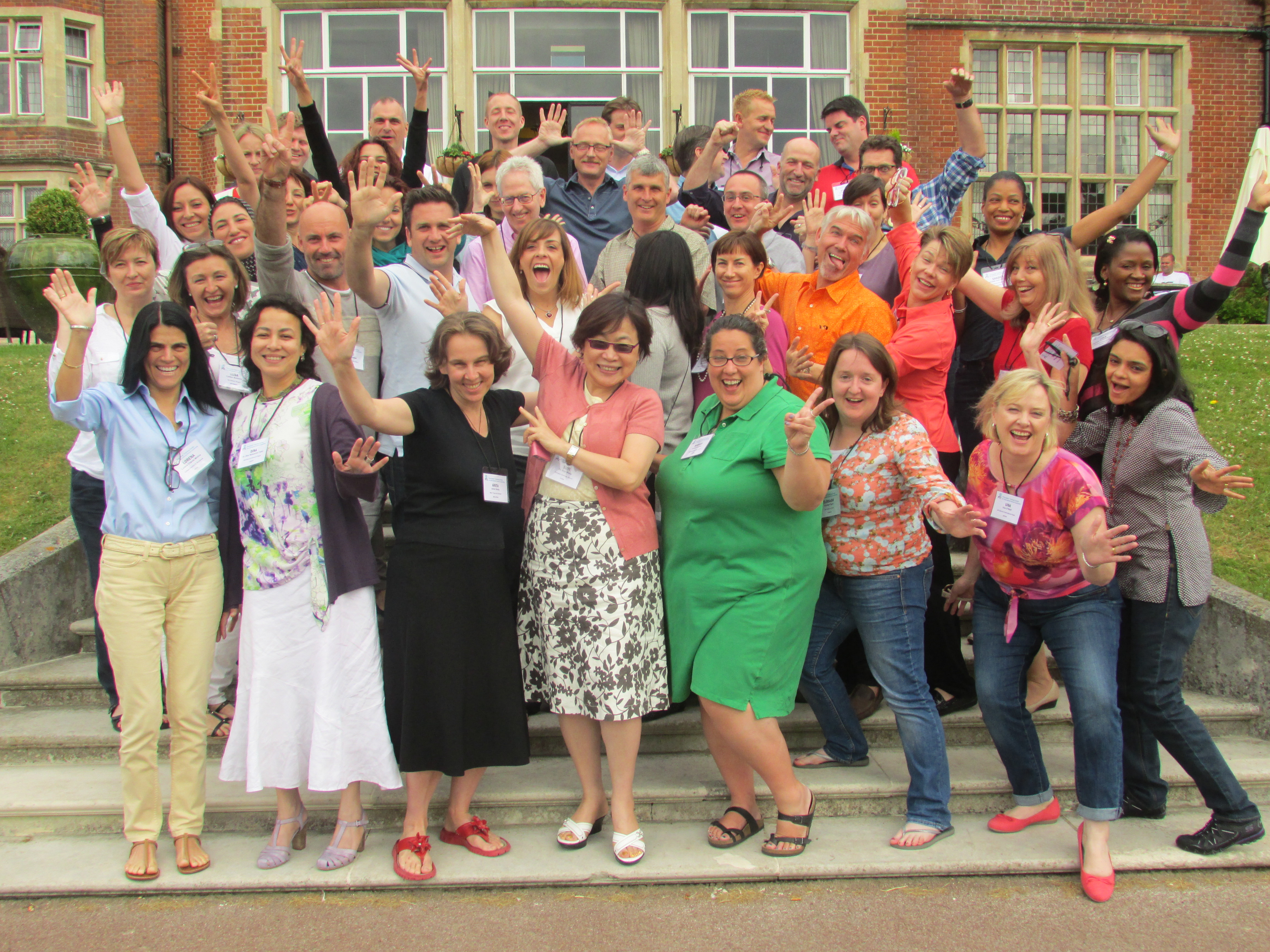
The Principal’s Training Centre in 2014 and 2015 was some of the most powerful professional learning I have undertaken. The presenters modelled outstanding adult education practices, with each course a great opportunity to exchange ideas with like-minded educators. I completed Instructional Supervision and Evaluation led by Julie Ryan and Sara Putnam, and Creating an Effective School with Bambi Betts in 2014, and The Effective Principal: From Theory to Practice with Bill Powell and Oli Tooher Hancock in 2015. These courses continue to inform my professional practice.
Leadership in Schools – A Team Proposition
Perhaps my most significant achievement during my time at St Paul’s was the building of a high-functioning and highly collaborative Performing Arts team. Central to my leadership style is the use of essential agreements designed to establish a culture of accountability. I am conscious of modelling a strong work ethic and never asking colleagues to do what I wouldn’t do myself. Equally, I do not shy away from difficult conversations, as they are an inevitable part of the process of implementing agreed goals. I rely on genuine respect, a sense of humour and a highly developed emotional barometer in leading teams of diverse personalities. I am also conscious of employing coaching and listening skills that enable colleagues to know that I have heard them, and worked to understand the issue at hand.
My understanding of instructional supervision and evaluation was developed in my role at St Paul’s, and has been honed since: most recently through my participation in the Principal’s Training Centre course of the same name in July 2014. At St Paul’s I was part of the team responsible for reviewing, developing and implementing the appraisal system. I am experienced working with staff to articulate and achieve SMART Goals linked to the improvement of student learning, and am an advocate of the collection and use of data to drive change in teaching practices.
Leadership in a Whole-School Community Context
My role as a musician and music educator has honed my performance and presentation skills, and also afforded me the opportunity to work very closely with parents. At St Paul’s, we were fortunate to have a very active parent body that worked with me to establish and maintain the Friends of Performing Arts, which supported the music program in the areas of fundraising, logistics and also strategic development. The establishment of a new House at Marcellin College also involved significant collaboration with parents, many of whom were from non-English speaking backgrounds. The cross-cultural skills I developed in that role have served me well at BISS, which also enjoys a multicultural and multilingual parent body. As a parent myself, I am acutely aware of the potential value of home-school partnerships to student learning.
Leadership by Modelling Life-Long Learning
Educators must be learners. To that end, I maintain a strong network of colleagues, and mentors, across various schools and sectors, and ensure that I remain abreast of emerging curriculum and pedagogy through ongoing study and professional engagement. My recent academic study encompasses current research in education, but also in leadership and management more broadly. I do not profess to have all the answers, but I am a reflective and collaborative practitioner who learns quickly and seeks to improve my own practice at every opportunity.
Scott Lindner
Master of Business Administration (current enrolment) – University of Southern Queensland
Master of Education (First Class Honours) – The University of Melbourne
Bachelor of Music/Bachelor of Teaching – University of New England
Graduate Certificate in Management – University of Southern Queensland
 Scott Lindner